



Pakistan is a land of diverse cultures and flavors, where every region offers a unique culinary story. From the spicy kebabs of Karachi to the aromatic pulao of Peshawar, Pakistani cuisine reflects centuries of tradition, regional ingredients, and cultural fusion.
Whether you are a food enthusiast or an adventurous traveler, exploring traditional Pakistani dishes is an unforgettable experience.
This guide uncovers the top 10 traditional Pakistani dishes that represent the true essence of Pakistani food culture, featuring recipes passed down through generations.
Key Takeaways
- Traditional Pakistani dishes are rich in flavor and cultural meaning.
- Each region contributes unique recipes and styles.
- Spices, slow cooking, and hospitality define the cuisine.
- From biryani to samosas, every dish tells a story.
- Exploring Pakistani food is a journey through history and taste.
Top 10 Traditional Pakistani Dishes to Try:
Pakistani food culture dates back centuries, blending history with innovation. Meals are often enjoyed with family, served generously, and prepared with deep care. Spices such as cumin, coriander, turmeric, and cardamom form the foundation of most dishes, giving them their signature aroma and flavor.
Here are the top 10 traditional dishes from Pakistan that you should try:
1. Biryani
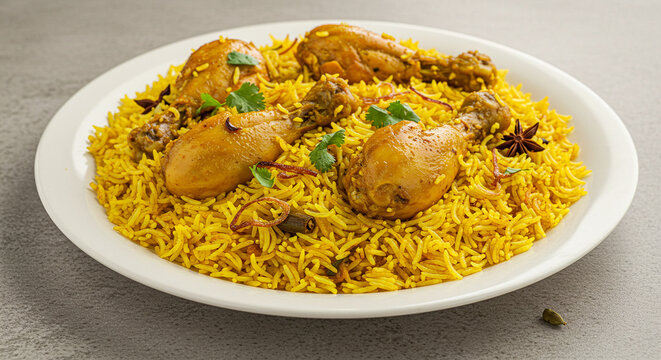
Biryani is arguably the most loved dish in Pakistan. It is a flavorful mix of rice, meat, and aromatic spices that creates a rich, layered taste. Karachi biryani, known for its spicy kick, is especially famous among locals and tourists alike. Every city adds its unique twist, making biryani a national favorite.
The dish is often served at weddings and festive occasions, where its aroma fills the air. It combines perfectly with raita or salad, enhancing the overall flavor.
Quick Facts about Biryani:
- Made with basmati rice and marinated meat
- Originated from the Mughal royal kitchens
- Comes in varieties like Sindhi, Bombay, and Hyderabadi biryani
- A must-have for any special occasion
2. Nihari
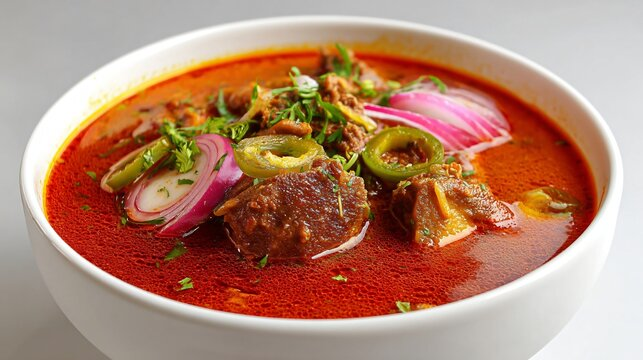
Nihari is a slow-cooked meat stew that originated in the Mughal era and remains a breakfast favorite across Pakistan. Traditionally, it is cooked overnight and served early in the morning. The rich, spicy gravy combined with tender meat makes it a hearty and comforting dish.
It is often enjoyed with naan bread, topped with lemon, ginger, and green chilies for extra zest. Nihari is especially popular in Lahore and Karachi, where restaurants serve it fresh every morning.
Why Nihari is Loved:
- Cooked for several hours to achieve a deep flavor
- Traditionally eaten at breakfast
- Often made with beef or mutton
- Symbol of Mughal culinary heritage
3. Haleem
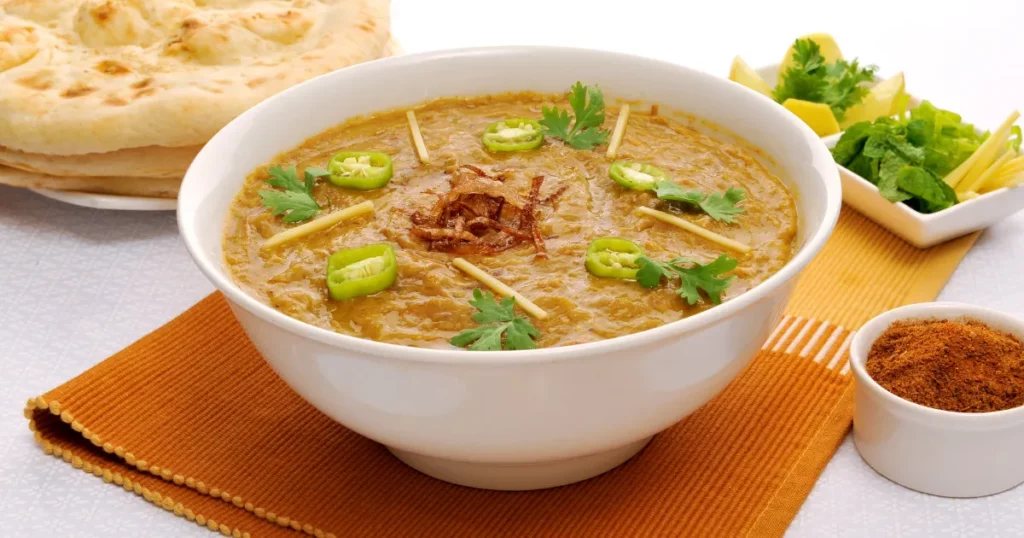
Haleem is a thick, creamy stew made from lentils, wheat, barley, and slow-cooked meat. It requires hours of patient cooking to achieve its unique texture. Originally an Arabic dish, Haleem became an essential part of Pakistani cuisine, especially during Ramadan.
The combination of grains and meat makes it both nutritious and filling. Garnished with fried onions, lemon, and coriander, Haleem is a complete meal in itself.
Key Features of Haleem:
- Rich in protein and fiber
- Commonly served in Ramadan and Muharram
- Cooked for 6–8 hours for a smooth texture
- Popular in Karachi, Hyderabad, and Lahore
4. Karahi
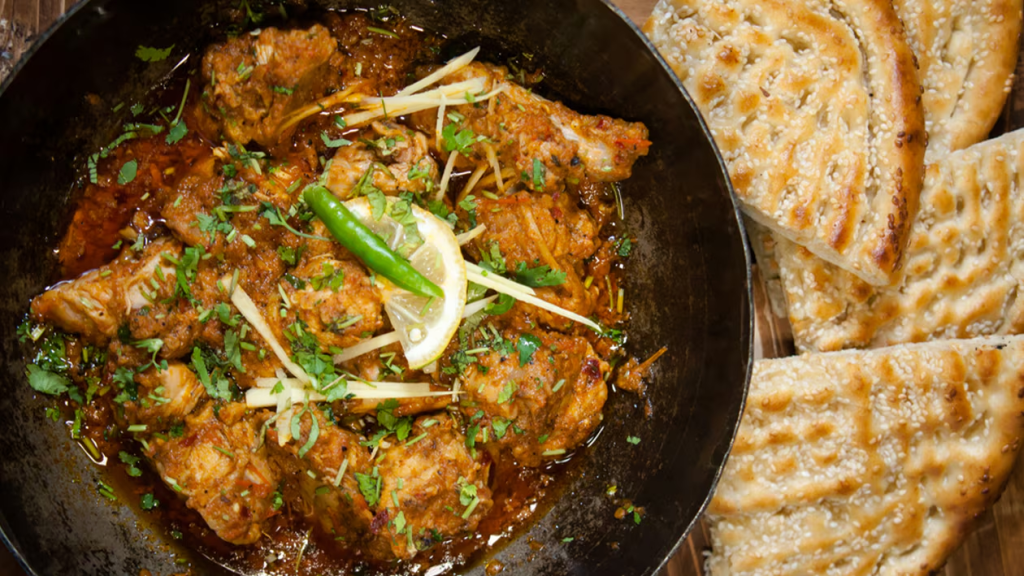
Karahi is a spicy, stir-fried meat dish cooked in a wok-like pan called a “karahi.” It can be made with chicken, mutton, or beef. The flavors come from tomatoes, green chilies, garlic, and ginger, making it one of Pakistan’s most iconic street foods.
Karahi is served sizzling hot with naan or paratha and often enjoyed in open-air dhabas (roadside restaurants). Each region has its own version, such as Peshawari and Lahori Karahi.
Reasons to Try Karahi:
- Freshly prepared with minimal ingredients
- Served directly from the pan to the table
- Known for bold, spicy flavor
- Ideal for family dinners and gatherings
5. Chapli Kebab
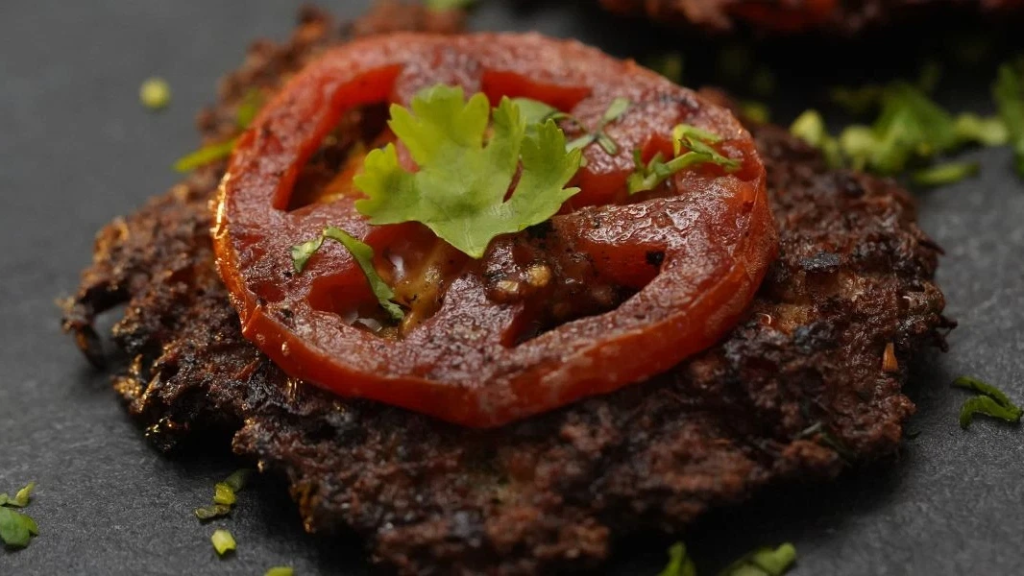
Chapli Kebab is a Pashtun specialty from Khyber Pakhtunkhwa. These flat, round kebabs are made from minced meat mixed with herbs, onions, and spices. They are shallow-fried, giving them a crispy exterior and juicy inside.
The name “Chapli” comes from the Pashto word “chaprikh,” meaning flat. Served with naan and chutney, Chapli Kebabs are a must-try for meat lovers.
Why People Love Chapli Kebab:
- Crispy on the outside, tender inside
- Originated from Peshawar
- Perfectly pairs with mint chutney
- Common in BBQ and street food culture
6. Saag and Makki di Roti
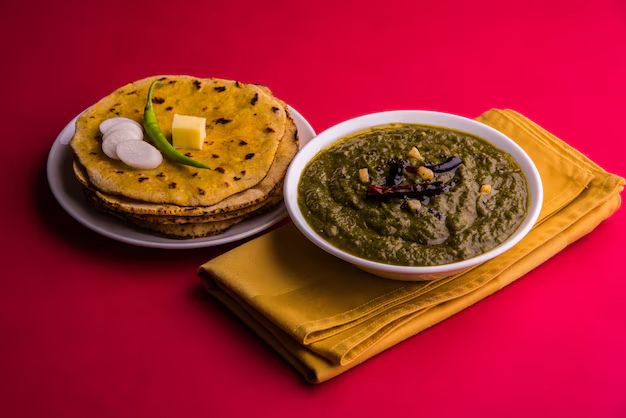
A true Punjabi classic, Saag is made from mustard greens and spinach, slow-cooked with butter and spices. It is traditionally paired with Makki di Roti, a flatbread made from corn flour. Together, they form one of Pakistan’s most comforting winter meals.
This dish is rich in nutrients and offers a rustic, earthy flavor. A dollop of desi ghee (clarified butter) enhances its taste and aroma.
Main Qualities of Saag and Makki di Roti:
- Rich in iron and fiber
- Popular in Punjab during winter
- Often served with butter or ghee
- Vegetarian-friendly meal
7. Seekh Kebab
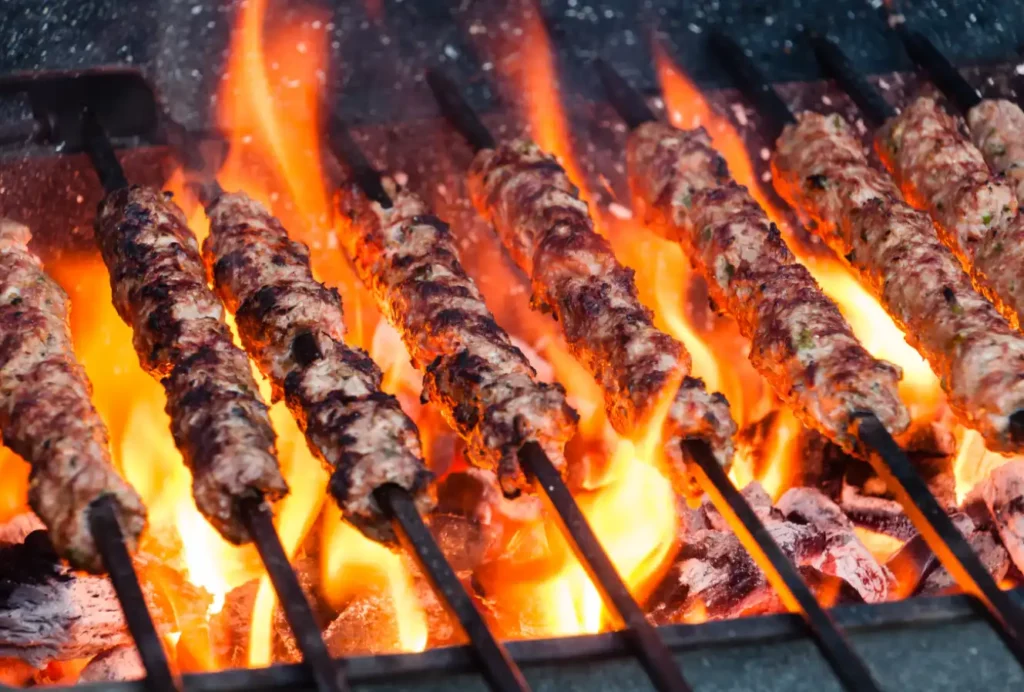
Seekh Kebabs are grilled meat skewers seasoned with herbs, garlic, and spices. Cooked over open flames, they have a smoky aroma and tender texture. These kebabs are a staple of Pakistani BBQ gatherings.
Often served with naan, yogurt sauce, or salad, Seekh Kebabs are both flavorful and healthy. They are popular in homes and restaurants across the country.
Highlights of Seekh Kebab:
- Cooked on skewers over charcoal
- Perfect for BBQ and Eid feasts
- High in protein and rich in flavor
- Served with mint chutney and lemon
8. Sindhi Biryani
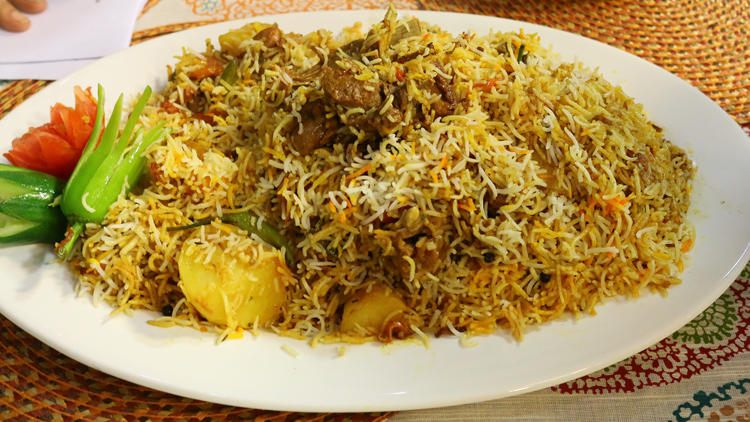
Sindhi Biryani is a spicier, more aromatic version of regular biryani. It includes potatoes, yogurt, and extra spices for a bold taste. The layering of rice and meat with herbs gives it a unique texture and color.
This dish reflects the vibrant culture of Sindh and is often served at family celebrations. The balance of heat and tanginess makes it unforgettable.
Features of Sindhi Biryani:
- Richly spiced with chili and yogurt
- Contains meat, rice, and potatoes
- Popular across Sindh and Karachi
- Served with salad and raita
9. Aloo Gosht
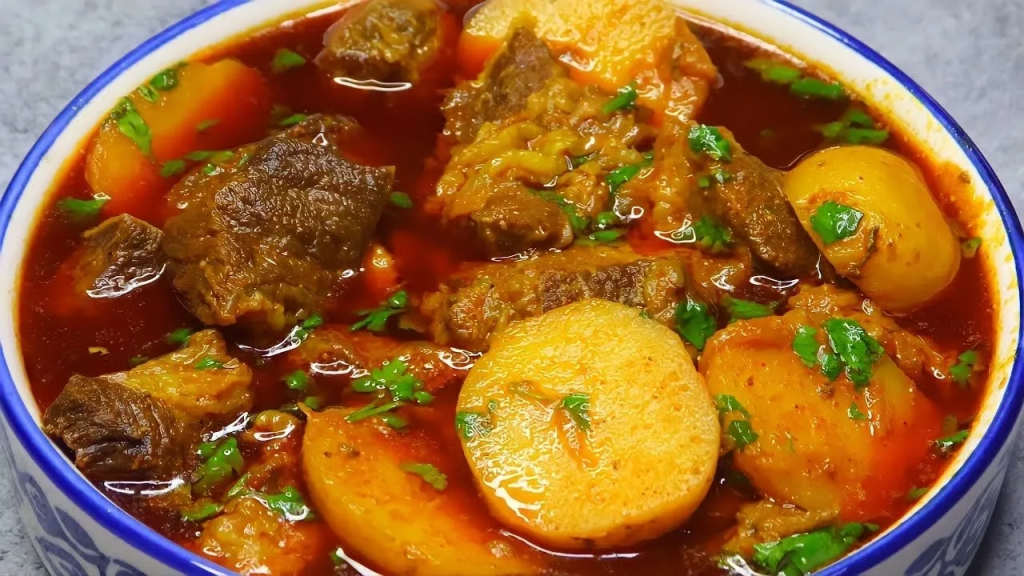
Aloo Gosht is a comforting curry made with meat and potatoes simmered in a tomato-based gravy. It is a common dish in Pakistani households, loved for its simplicity and heartiness.
The blend of soft potatoes and tender meat creates a perfect balance. Best served with rice or chapati, Aloo Gosht is a complete meal for everyday dining. Its rich, flavorful gravy makes it a favorite comfort food for families across Pakistan.
Why Aloo Gosht is a Family Favorite:
- Easy to prepare and nutritious
- Perfect balance of meat and vegetables
- Ideal for lunch or dinner
- Popular across all provinces
10. Samosa
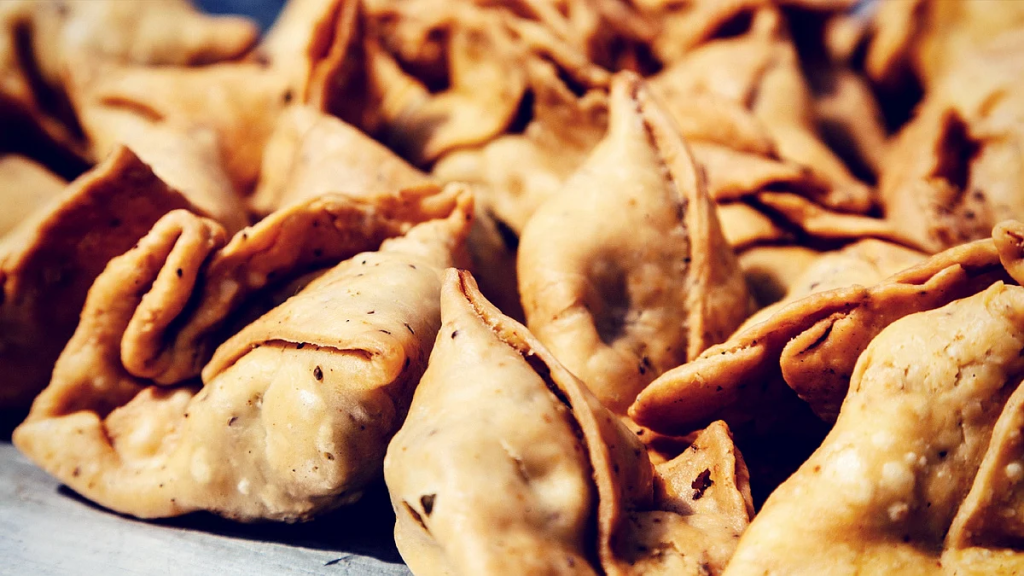
Samosas are crispy, deep-fried pastries filled with spiced potatoes, peas, or minced meat. They are a popular snack across Pakistan, often enjoyed with tea.
During Ramadan, samosas become a staple in every household’s iftar spread. The crunchy outer layer and spicy filling make them an irresistible treat. Loved for their crispy texture and flavorful filling, samosas are a favorite at tea-time, festivals, and street food stalls across Pakistan.
Samosa Facts:
- Served with tamarind or mint chutney
- Common in street food stalls
- Vegetarian and non-vegetarian versions available
- Symbol of Pakistani tea-time culture
Conclusion
Traditional Pakistani dishes represent more than just food. They reflect centuries of history, regional identity, and warm hospitality. From the royal biryani to humble samosas, each dish tells a story, blending rich spices, slow-cooked flavors, and unique local ingredients.
Whether enjoyed at bustling street stalls or family gatherings, these dishes showcase Pakistan’s cultural richness and culinary creativity. If you ever visit Pakistan, exploring its traditional foods is a journey through taste, tradition, and the heart of its people.
FAQs
If you are new to Pakistani cuisine, start with Biryani, Nihari, and Chapli Kebab. These dishes perfectly represent the depth, spice, and warmth of traditional Pakistani cooking.
Saag, Daal, and Vegetable Samosas are great vegetarian-friendly options. They offer the same authentic taste and richness found in traditional Pakistani dishes.
You can explore Pakistani restaurants in major cities like London, Dubai, and New York. Many international Pakistani chefs maintain the same flavors and cooking methods found back home.
Pakistani dishes use more meat and have a stronger smoky and spicy taste. The cuisine also focuses on slow cooking and balanced use of herbs and aromatic spices.
Many dishes are naturally spicy, but spice levels can be adjusted. Pakistani cuisine values balance, so even spicy meals are full of depth and layered flavor.
