



Pakistan is home to a rich cultural heritage reflected in its handicrafts, each piece telling a story of centuries-old traditions. From vibrant textiles to intricately carved woodwork, these crafts showcase the artistry of local artisans.
Collectors and enthusiasts often seek authentic pieces that represent regional identities, making Pakistani handicrafts not just decorative items but also cultural treasures. Exploring these crafts provides a unique insight into the history, techniques, and lifestyles of communities across Pakistan.
This guide highlights ten of the most remarkable handicrafts and directs you to places where you can acquire them.
Key Takeaways
- Pakistani handicrafts showcase centuries-old cultural heritage
- Authentic items are available in local and online markets
- Crafts include textiles, pottery, leather, metal, and wood
- Handmade techniques ensure uniqueness and durability
- Supporting artisans preserves tradition and promotes sustainable livelihoods
Top handicrafts in Pakistan
Top handicrafts in Pakistan reflect the country’s rich cultural heritage and centuries of artisan traditions. These crafts are created using locally sourced materials and traditional techniques that have been passed down through generations.
Each piece tells a story of regional identity, skill, and creativity, making them both functional and decorative. From vibrant textiles to intricate pottery and elegant woodwork, Pakistani handicrafts capture the essence of the nation’s artistic legacy.
The top handicrafts are given below:
1. Truck Art
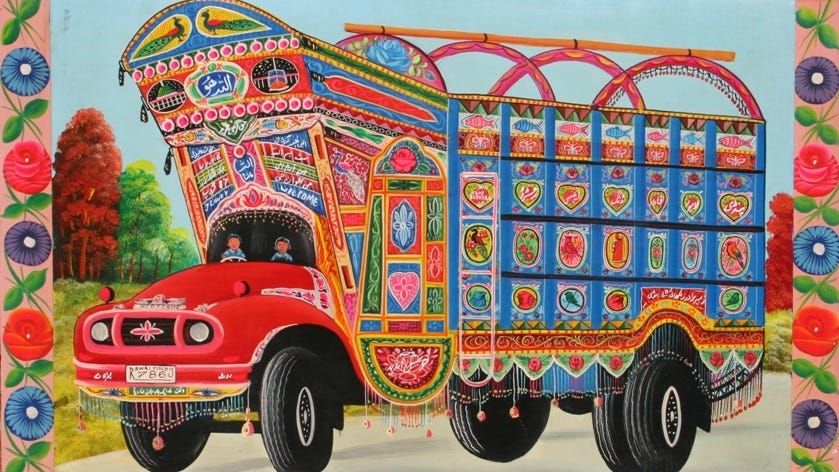
Truck art is a distinctive and colorful tradition where vehicles are transformed into moving art pieces. This craft combines visual storytelling, poetry, and intricate floral and geometric designs.
It is a source of pride for many drivers and communities, showcasing their identity and creativity. Each painted truck tells a story of local culture, folk tales, and personal expression. The vibrancy and diversity of truck art have made it a symbol of Pakistani craftsmanship.
Where to Find
Lahore’s Liberty Market, Karachi’s Clifton Market, and roadside artisan workshops.
2. Ajrak Prints
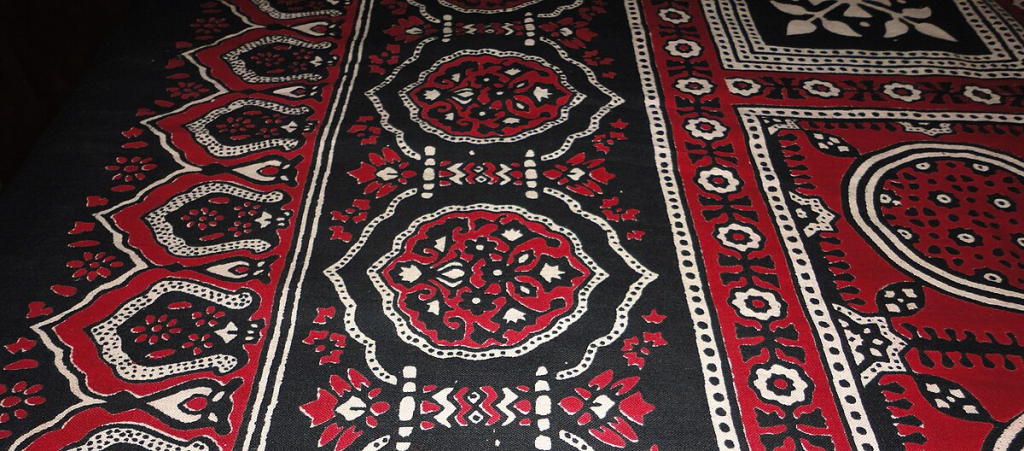
Ajrak printing is an ancient textile art originating from Sindh, known for its symmetrical patterns and deep natural colors. The designs often include geometric shapes, floral motifs, and tribal symbols. Ajrak is traditionally worn as shawls, scarves, or turbans, and is considered a sign of honor and cultural identity.
The labor-intensive hand-block printing process preserves its authenticity and traditional value. These textiles are cherished for their aesthetic appeal and cultural significance.
Where to Find
Hala and Thatta markets in Sindh, and select boutiques in major cities.
3. Multani Pottery
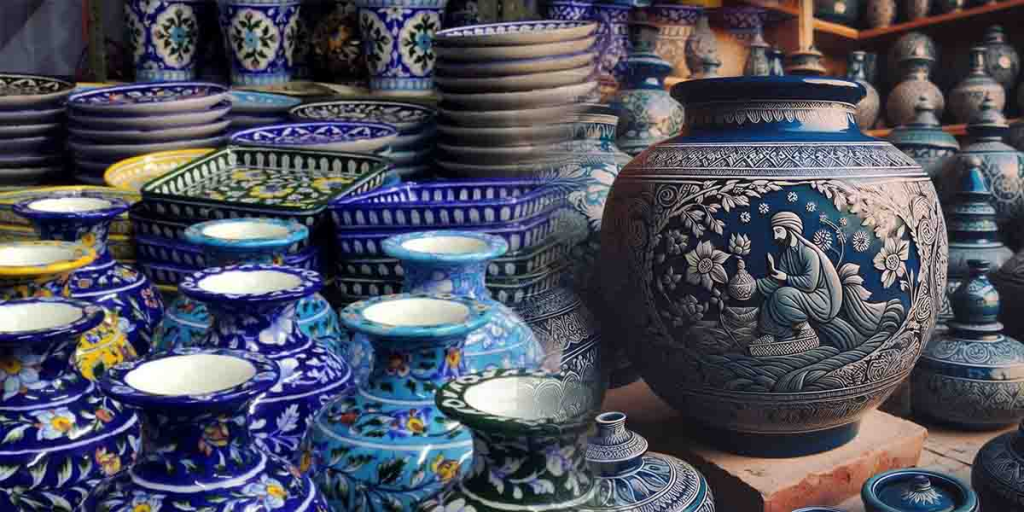
Multani pottery is a celebrated ceramic art from Southern Punjab, renowned for its cobalt blue glaze and hand-painted designs. Artisans create each piece using terracotta clay, shaping and painting it with precision.
Motifs often include floral patterns, calligraphy, and intricate detailing. These items serve as functional pottery or decorative objects in homes. Multani pottery is admired for its durability, color vibrancy, and artistic legacy.
Where to Find
Multan bazaars and craft fairs in Southern Punjab.
4. Peshawari Chappal
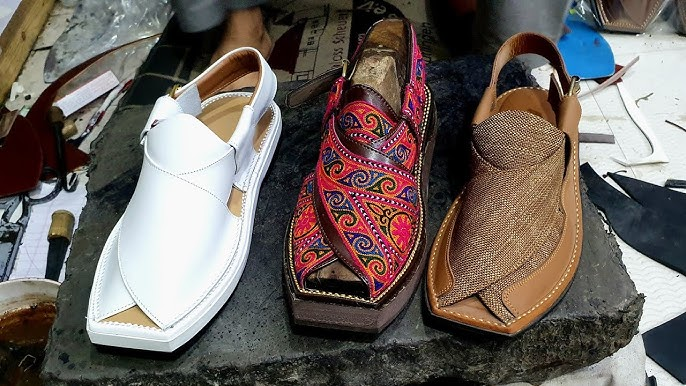
Peshawari chappals are iconic leather sandals originating from Khyber Pakhtunkhwa, celebrated for their comfort and craftsmanship.
Artisans hand-stitch each pair using locally sourced leather and traditional techniques. These sandals are versatile, suitable for casual wear, weddings, and cultural events.
The design combines durability, comfort, and aesthetics, making it a practical yet stylish choice. Peshawari chappals reflect the skill and heritage of the region’s artisans.
Where to Find
Qissa Khwani Bazaar in Peshawar and local leather workshops.
5. Kashmir Shawls
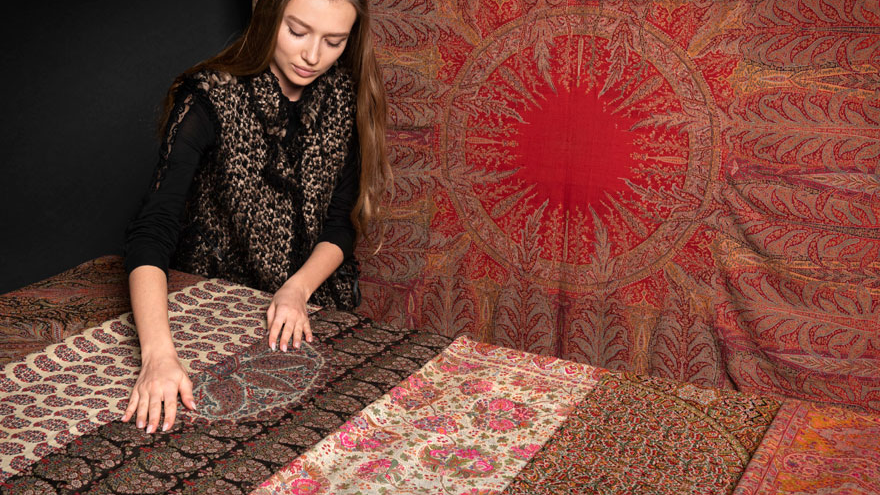
Kashmir shawls are luxurious textiles made from soft pashmina or cashmere wool. The weaving process is meticulous, with each shawl hand-crafted to ensure fine quality. Embroidery often features intricate floral paisley patterns, enhancing the visual appeal.
These shawls provide warmth while remaining lightweight and comfortable to wear. Kashmir shawls are considered status symbols and collectible pieces worldwide.
Where to Find
Srinagar markets and select textile boutiques.
6. Blue Pottery from Hala
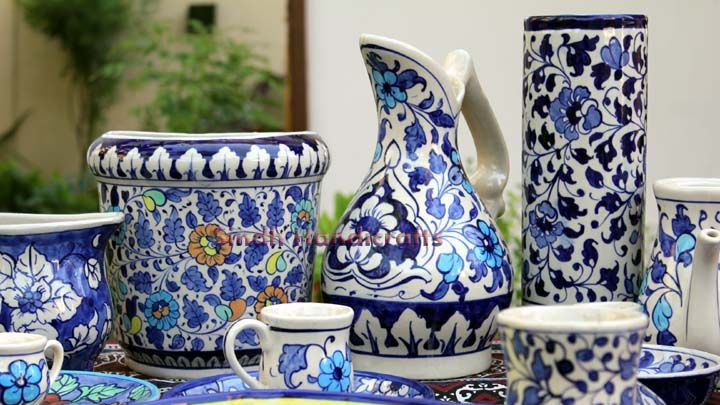
Hala pottery is known for its striking blue glaze and delicate, hand-painted designs. Artisans create intricate patterns on fine white clay, producing decorative and functional items. The glazing process ensures a smooth finish and enhances durability.
Blue pottery is used in homes for decorative plates, vases, and tiles. Each piece reflects Sindh’s rich cultural heritage and traditional craftsmanship.
Where to Find
Hala pottery workshops and Sindh handicraft exhibitions.
7. Embroidered Textiles
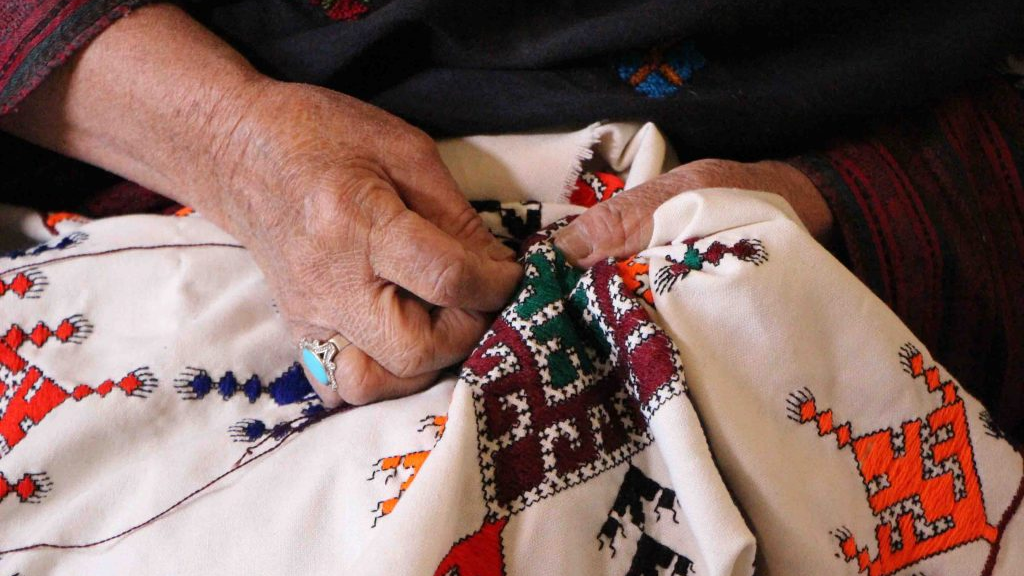
Pakistani embroidered textiles feature regional stitches like mirror work, phulkari, and chain stitch. These fabrics are applied to clothing, wall hangings, and decorative items. Skilled artisans spend hours creating detailed patterns, preserving heritage craft techniques.
Embroidery adds vibrancy and cultural depth to everyday life. These textiles are cherished for their uniqueness and ability to convey local traditions.
Where to Find
Lahore and Karachi craft markets and regional embroidery stores.
8. Ralli Quilts
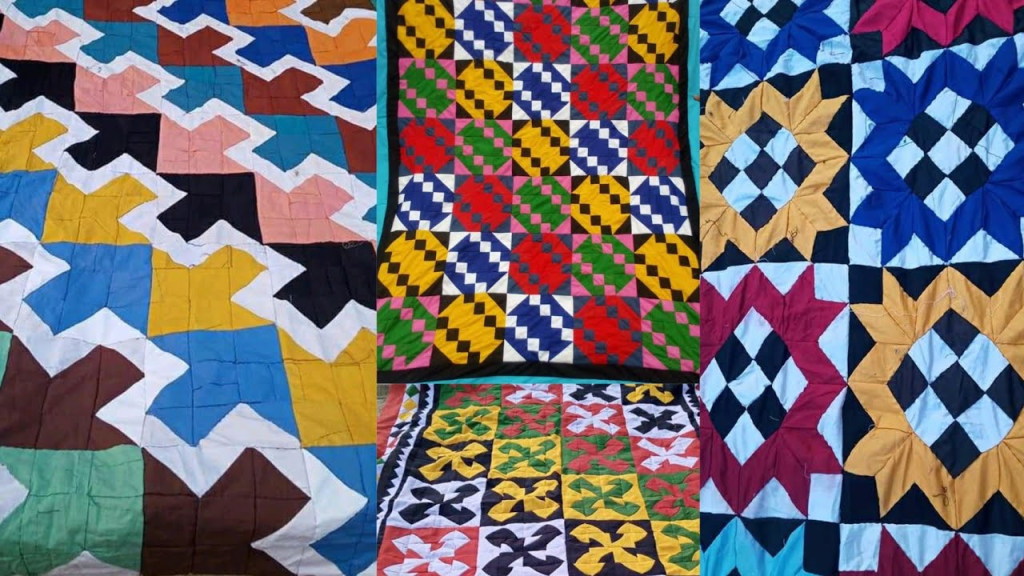
Ralli quilts are handmade patchwork textiles from Sindh and southern Punjab. Artisans stitch together colorful recycled fabrics in geometric patterns, creating functional and decorative quilts.
Each quilt showcases rural creativity and cultural storytelling. They are durable, warm, and visually captivating, often passed down as family heirlooms.
Ralli quilts represent an intersection of artistry, sustainability, and tradition.
Where to Find
Sindh and Southern Punjab bazaars and heritage craft fairs.
9. Brass and Copperware
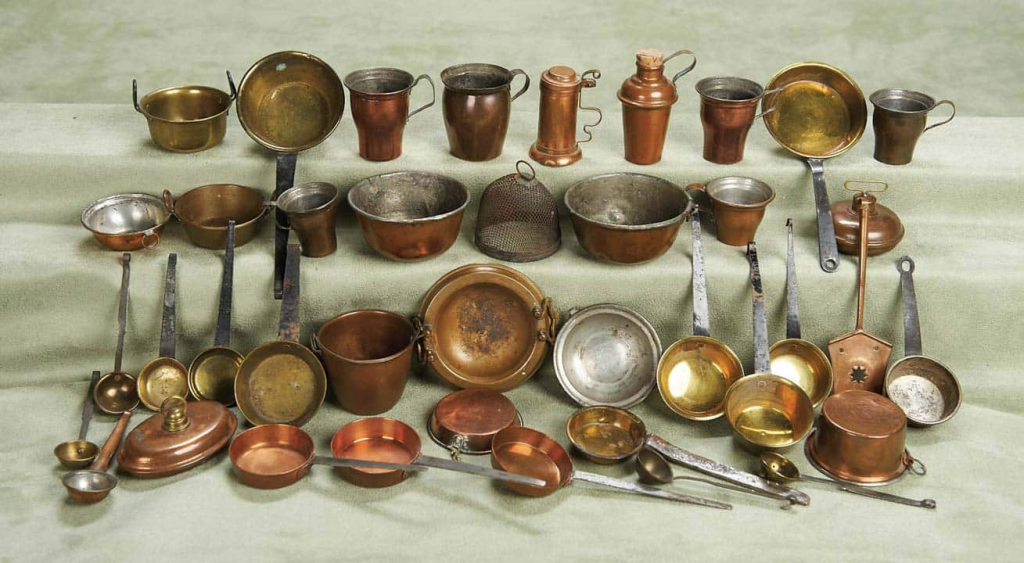
Brass and copperware are hand-crafted metal items that combine functionality with art. Skilled artisans engrave intricate patterns, creating trays, bowls, and decorative objects.
These pieces are valued for their elegance, longevity, and cultural relevance. They are widely used for gifting, home décor, and traditional ceremonies. The reflective surface and craftsmanship make them a centerpiece in any collection.
Where to Find
Markets in Taxila, Lahore, and Karachi.
10. Wood Carvings
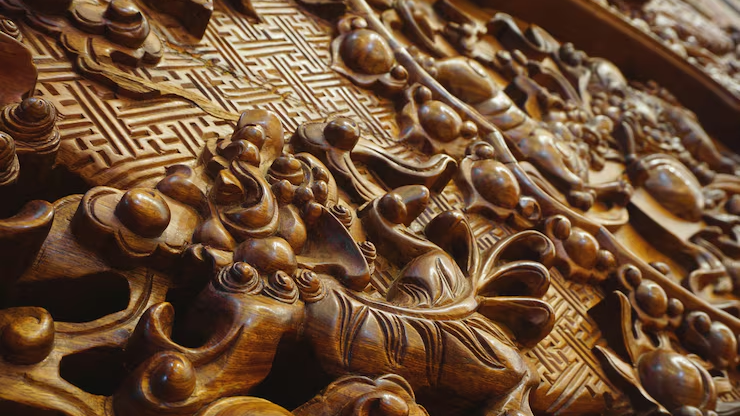
Pakistani wood carvings display exquisite craftsmanship using Sheesham and walnut wood. Artisans carve floral, geometric, and traditional motifs for furniture and decorative panels. These items are both functional and aesthetic, enhancing homes and offices.
Skilled carving preserves centuries-old techniques while allowing creative freedom. Wood carvings are prized for their natural beauty, smooth finish, and cultural significance.
Where to Find
Chiniot and Sawabi workshops, Lahore furniture markets, and galleries.
Conclusion
Pakistani handicrafts reflect the country’s rich heritage, artistry, and cultural diversity. Each craft, whether textiles, pottery, leather, metal, or woodwork, tells a story of regional identity and skilled craftsmanship.
Collecting these authentic pieces supports local artisans and preserves traditional knowledge. Markets, galleries, and online platforms provide access to genuine items for enthusiasts worldwide.
FAQs
Truck art and Ajrak prints are widely recognized across Pakistan. They reflect regional culture and centuries of artisan heritage.
Genuine items are available in the major markets of Karachi, Lahore, and Peshawar. Certified online stores also provide authentic pieces directly from artisans.
Prices vary depending on materials, craftsmanship, and intricacy. Handcrafted items usually cost more due to the labor-intensive process.
Yes, many items like Peshawari chappals and embroidered textiles are functional. They serve both practical and decorative purposes in homes.
Most crafts are region-specific, such as Ajrak from Sindh and Peshawari chappals from Khyber Pakhtunkhwa. Each piece reflects local traditions and culture.
