



Business success often comes from clear vision, steady decisions, and the ability to grow with changing times. One of the most notable examples of this progress in Pakistan is the journey of Mian Muhammad Mansha, whose business expansion shaped several key industries in the country. From textiles to banking, energy, and real estate, his influence can be seen across the economy.
In this article, you will learn how he built his wealth, expanded his companies, and became one of Pakistan’s leading business figures.
Key Takeaways
- Mian Mansha built Pakistan’s richest business empire through textiles, banking, cement, and power.
- Nishat Group grew into a diversified national and international conglomerate.
- He leads with vision, ethics, and merit-based management.
- His major milestones include MCB Bank, D.G. Khan Cement, and power sector expansion.
- Mansha’s success comes from risk-taking, planning, and resilience.
- His family helps manage and expand Nishat Group’s legacy.
Who is Mian Muhammad Mansha?
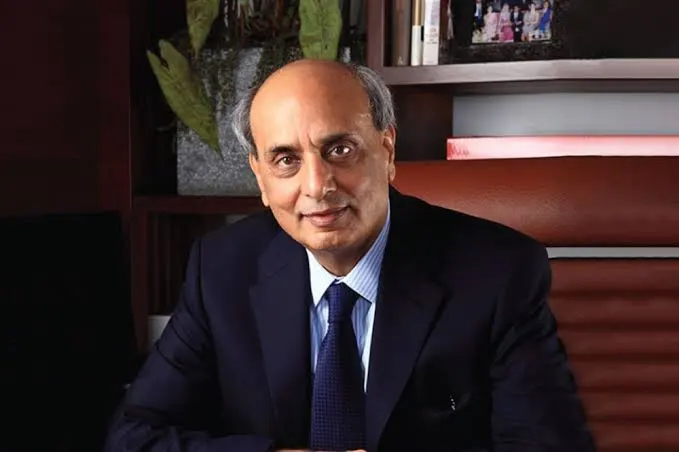
Mian Muhammad Mansha is one of Pakistan’s most successful business tycoons and the head of Nishat Group. He built his wealth by expanding his family’s small textile business into a large multi-industry empire. His work covers textiles, cement, banking, insurance, power, and real estate.
Mansha is known for smart investments, long-term planning, and strong leadership. He has played an important role in creating jobs and supporting Pakistan’s economic growth. Today, he is recognised as one of the country’s wealthiest and most influential business figures.
Early Life and Family Background
Mian Muhammad Mansha was born in 1947, the same year his family migrated from Kolkata, India, to Faisalabad, Pakistan. His father, Mian Mohammad Yahya, and five uncles started a cotton business, laying the foundation for what would later become the Nishat Group.
Growing up in a family focused on business taught Mansha early lessons about hard work, discipline, and entrepreneurship. His upbringing in a family that faced challenges during the Partition of India helped him develop resilience and strategic thinking, skills that became central to his success in business.
Education and Early Career
Mansha attended Sacred Heart School in Faisalabad, a co-educational convent school known for its strong academic standards. He later went to Hendon College in London to study accounting, but returned to Pakistan in 1968 to support his family when his father fell ill.
Mansha started working at Nishat Mills at a young age, learning the ropes of textile business management.
By 22, he became CEO of Nishat Mills, taking over during a challenging period that included political instability and the eventual separation of East Pakistan. His early exposure to business operations gave him valuable experience that shaped his leadership skills.
Leadership Style and Business Philosophy
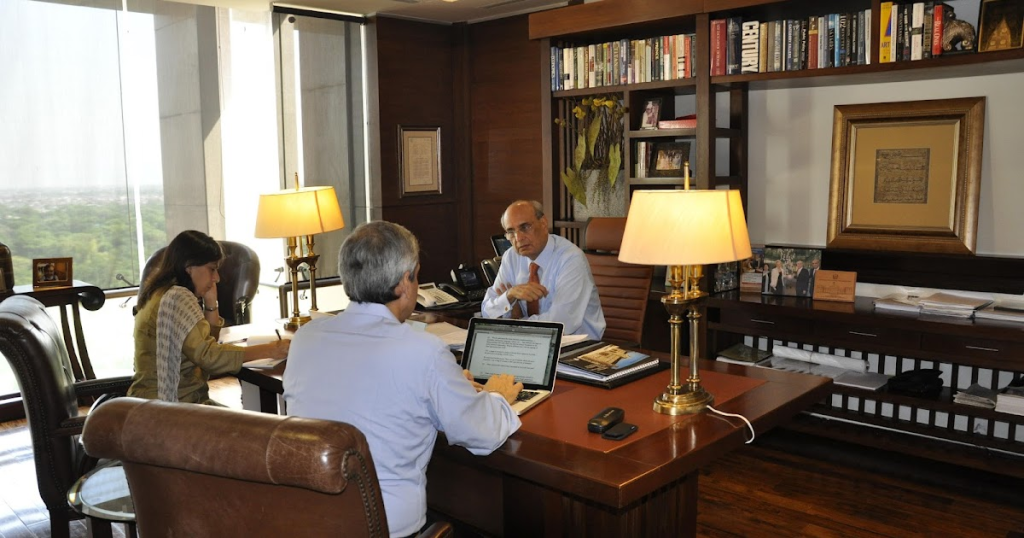
Mian Mansha is a transformational leader. He inspires his employees with vision, integrity, and dedication. He believes in openness, trust, and empowering his managers to take responsibility.
Mansha combines decisiveness with emotional intelligence, making quick decisions while carefully observing his business environment.
He focuses on long-term growth rather than short-term gains and emphasizes moral values and fairness. His leadership style encourages innovation and productivity, which has helped him build one of Pakistan’s largest business empires.
The Rise of Nishat Group
Nishat Group, led by Mansha, is one of Pakistan’s most diversified business conglomerates. It operates in textiles, banking, cement, insurance, power, and real estate. Key companies under Nishat Group include Nishat Mills, Nishat Chunian, DG Khan Cement, Adamjee Insurance, and Nishat Power Limited.
This diversification allowed Mansha to spread risk across industries and capitalize on growth opportunities in multiple sectors.
By investing strategically in different areas, he ensured continuous revenue streams and long-term wealth accumulation. Nishat Group’s expansion reflects Mansha’s vision to create a strong, multi-industry corporate presence in Pakistan.
Strategic Acquisition of MCB Bank
One of Mansha’s most important moves was acquiring the Muslim Commercial Bank (MCB) in the 1990s. This acquisition gave him control of Pakistan’s largest private bank by market value. Mansha navigated regulatory challenges and political hurdles to secure the deal, demonstrating strategic foresight.
Under his leadership, MCB expanded its banking services across Pakistan and internationally, including partnerships in Malaysia and plans for global growth.
This acquisition significantly contributed to Mansha’s wealth, establishing him as a powerful figure in Pakistan’s banking sector.
Overcoming Challenges and Crises
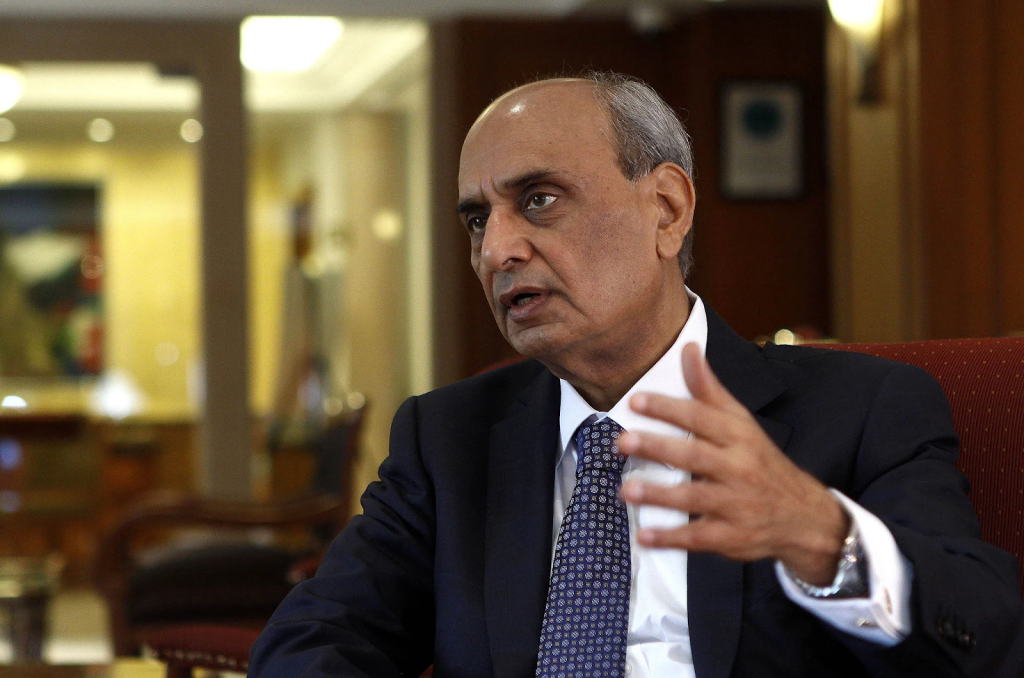
Mansha faced multiple challenges, from political instability to terrorism and economic crises. For example, during the establishment of DG Khan Cement, he encountered threats from local communities.
He addressed these challenges by providing employment and building local facilities, reducing violence, and improving business conditions.
Similarly, during financial crises, he made strategic decisions to protect his companies, like the timely sale of MCB shares to international partners. Mansha’s ability to turn setbacks into opportunities is a key reason for his sustained success and wealth growth.
Wealth-Building Strategies and Investments
Mansha built his wealth by strategically investing in multiple industries. He expanded Nishat Group’s textile business, cement production, insurance services, and banking operations. He also invested in power generation, real estate, and hospitality, including upcoming luxury hotels.
Mansha focuses on sectors that offer long-term growth potential and essential services, ensuring consistent income streams.
His global expansion plans, including banking in Indonesia, Azerbaijan, and Canada, show his strategy of leveraging both local knowledge and international opportunities for wealth creation.
Family Involvement and Succession Planning
Mansha actively involves his family in his businesses while maintaining professional management standards. His eldest son, Raza, runs DG Khan Cement, Umer oversees textile ventures, and Hassan manages the power business.
Mansha ensures that family members are prepared to take leadership roles while prioritizing merit and performance.
His wife, Naz Mansha, supervises textile operations and retail ventures like Nishat Linen. This careful succession planning guarantees continuity and protects the group’s long-term growth.
Impact on Pakistan’s Economy
Mansha’s businesses have significantly contributed to Pakistan’s economy. Nishat Group employs over 30,000 people, produces essential goods and services, and contributes to exports and GDP growth.
His investments in power, banking, and textiles support infrastructure development and create jobs, particularly in underdeveloped areas.
By focusing on ethical practices and transparent management, Mansha sets an example for other entrepreneurs in Pakistan, showing how private enterprise can drive economic development.
Future Plans and Vision
Mansha’s vision extends beyond Pakistan. He aims to expand Nishat Group internationally, especially in banking, power, and tourism. Plans include acquiring banks in new markets and developing luxury hotels in Lahore.
His goal is to make Nishat Group a globally recognized corporate entity while continuing to support Pakistan’s economic growth. Mansha’s focus on innovation, diversification, and global expansion shows that his ambition is to create a lasting legacy in the business world.
Conclusion
Mian Muhammad Mansha built great success through hard work, smart choices, and taking risks. He turned a small family textile business into Nishat Group, which works in banking, cement, power, insurance, and real estate.
His leadership helped his companies grow and created many jobs in Pakistan. Mansha’s story shows how planning, dedication, and smart decisions can build wealth and make a positive impact on the economy.
FAQs
He focuses on steady expansion, understanding market needs, and investing in strong industries. His decisions are based on long-term results rather than short-term gains.
His business interests include textiles, banking, cement, power generation, insurance, real estate, and automotive. These sectors helped him build long-term and stable wealth.
Consistent reinvestment, smart acquisitions, and long-term growth strategies played a major role in making Mansha one of the wealthiest persons in Pakistan. His leadership helped multiple companies become market leaders.
It provides large-scale employment, supports industrial growth, and contributes heavily to national development. The group also operates in essential sectors that strengthen economic stability.
