



Pakistan, with a population of over 232 million in 2023, is one of the most populous countries in the world. Known for its rich diversity, the nation is home to a variety of cultures, languages, and traditions that make each region unique.
Its cities are not just population centers but vibrant hubs of economic activity, education, and cultural heritage.
From bustling markets to historic landmarks, these urban centers play a crucial role in shaping the country’s identity. This article explores the top 10 most populous cities in Pakistan and highlights what makes each of them stand out.
Key Takeaways:
- Pakistan’s cities are more than population centers. They drive the nation’s economy, culture, and education.
- Karachi leads as the largest city, buzzing with trade, business, and cultural diversity.
- Lahore shines as the cultural heart, blending history, food, and festivals.
- Faisalabad and Sialkot highlight Pakistan’s industrial strength and global exports.
- Understanding these urban hubs offers insight into the country’s growth, heritage, and future opportunities.
Top 10 Most Populated Cities of Pakistan:
Pakistan comes in the top positions of the most populous countries in the world. The top 10 most populous cities of this country are discussed below:
Karachi
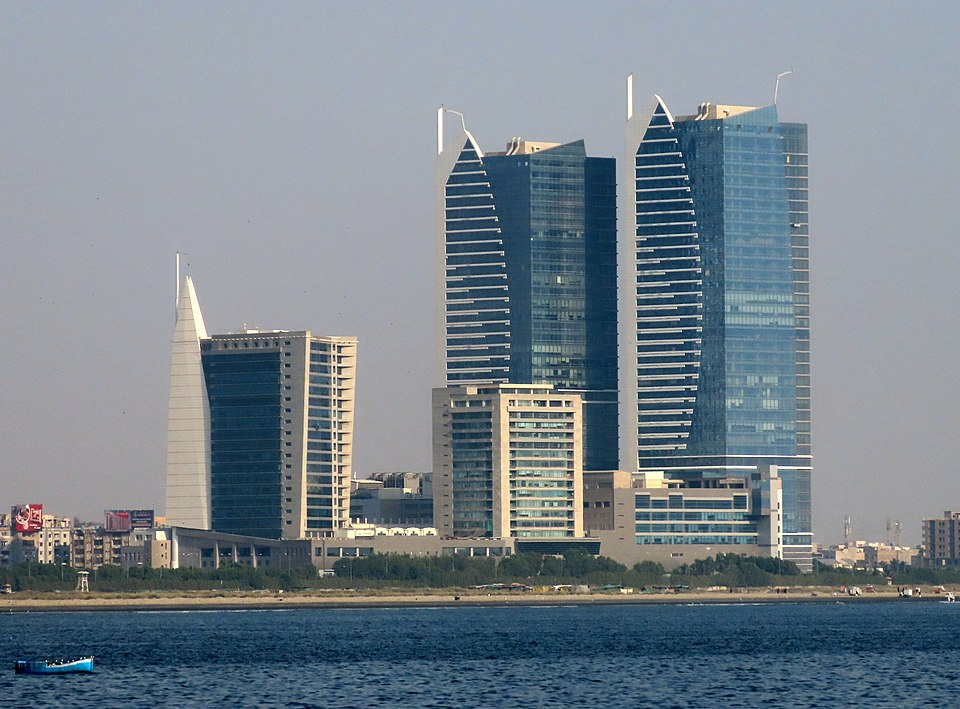
Karachi is the largest city in Pakistan, located on the coast of the Arabian Sea. It was the first capital of Pakistan and has played an essential role in the country’s development. Its strategic location has made it an important trade hub since ancient times.
It has also been a gateway to the Indian subcontinent and played a significant role in the British Empire’s trade and transportation system.
City highlights:
- Population (2025): 18.87 million
- Economy: Generates around 20% of Pakistan’s GDP; home to the Karachi Stock Exchange and multinational companies
- Infrastructure: Extensive roads, airports, public transport, shopping malls, and parks
- Education: Prestigious institutions like the University of Karachi and the Institute of Business Administration
- Culture & Diversity: A melting pot of ethnicities with vibrant music, art, and cultural festivals
Lahore
Lahore, the second most populous city of Pakistan, has a population of approximately 13.979 million in 2023. Located in the Punjab province, the city is divided into nine administrative towns and is home to a diverse population, including Punjabis, Pashtuns, Sindhis, and Balochis.
The official language is Urdu, while Punjabi and English are also widely spoken. Lahore is known as the cultural heart of Pakistan, famous for its historic landmarks, vibrant arts scene, and rich culinary traditions.
City highlights:
- Population (2025): 13.979 million
- Economy: Major industrial and commercial hub with thriving textile, software, and manufacturing sectors
- Infrastructure: Modern roads, Metrobus system, and Allama Iqbal International Airport
- Education: Top institutions like LUMS, University of the Punjab, and Government College University
- Culture & Heritage: Mughal-era landmarks, food streets, and vibrant festivals
Faisalabad
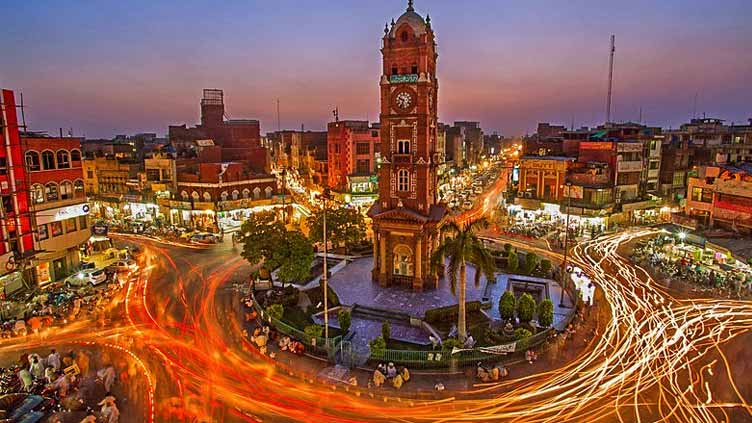
Faisalabad, located in the heart of Punjab province, is among Pakistan’s most populated and industrially significant cities. With an estimated population of about 11.2 million in 2025, the city continues to grow rapidly. Known historically as a major center of trade and commerce, Faisalabad is especially famous for its textile industry, which remains a key driver of its economy.
It also benefits from strong connectivity via road and rail, linking it to other major cities and boosting its role as a regional business hub.
City highlights:
- Population (2025): 11.2 million
- Economy: Industrial and commercial hub; known as the “Manchester of Pakistan” for textiles
- Infrastructure: Well-connected roads and railways
- Education: University of Faisalabad, National Textile University, Government College University Faisalabad
- Culture & Diversity: Traditional bazaars, cultural heritage, and local festivals
Islamabad/Rawalpindi
The Islamabad–Rawalpindi metropolitan area is the fourth most populous urban center in Pakistan, with a combined population of approximately 5.7 million in 2025. Islamabad, the capital city, is a modern, planned city known for its government institutions, diplomatic missions, and high standard of living.
Rawalpindi, located just adjacent to Punjab province, is an older, historically rich city with bustling markets, military significance, and a vibrant commercial sector. Together, these twin cities form a dynamic region blending administrative importance, commerce, culture, and education.
City highlights:
- Population (2025): 5.7 million (combined metro area)
- Economy: Islamabad drives government and services, while Rawalpindi thrives on trade, small industries, and bustling markets
- Infrastructure: Extensive road networks, public transport, and airports
- Education: Multiple universities, colleges, and professional institutions
- Culture & Diversity: Modern urban lifestyle in Islamabad paired with Rawalpindi’s historic bazaars, cultural sites, and traditional festivals
Gujranwala
Gujranwala has an estimated population of 2.42 million in 2025. It is an industrial and commercial hub, particularly famous for manufacturing sports goods, ceramics, and electrical appliances.
Agriculture also plays a significant role in its economy. The city is known for its hardworking population and entrepreneurial spirit. Gujranwala has good road connectivity and public facilities, and education is emphasized through universities and colleges.
City highlights:
- Population (2025): 2.42 million
- Economy: Industrial and commercial hub with sports goods, ceramics, and appliances
- Infrastructure: Well-connected roads, public facilities, and marketplaces
- Education: University of Gujranwala and prominent colleges
· Culture & Heritage: Traditional cuisine, local festivals, and vibrant community life
Multan
Multan, known as the “City of Saints,” is a historic and cultural hub in South Punjab, Pakistan. As of 2025, its population is approximately 2.26 million. The city has a rich and diverse population, with a mix of ethnicities and religions.
Most residents are Muslim, with significant Hindu and Christian minorities. Multan has a high population density and continues to grow rapidly, reflecting its role as an important center for trade, culture, and education in the region.
City highlights:
- Population (2025): 2.26 million
- Economy: Agriculture and trade center producing cotton, wheat, and sugarcane
- Infrastructure: Roads, educational institutions, healthcare, and transport networks
- Education: Bahauddin Zakariya University and National College of Business Administration & Economics
- Culture & Diversity: Historic landmarks, festivals, and diverse communities
Peshawar
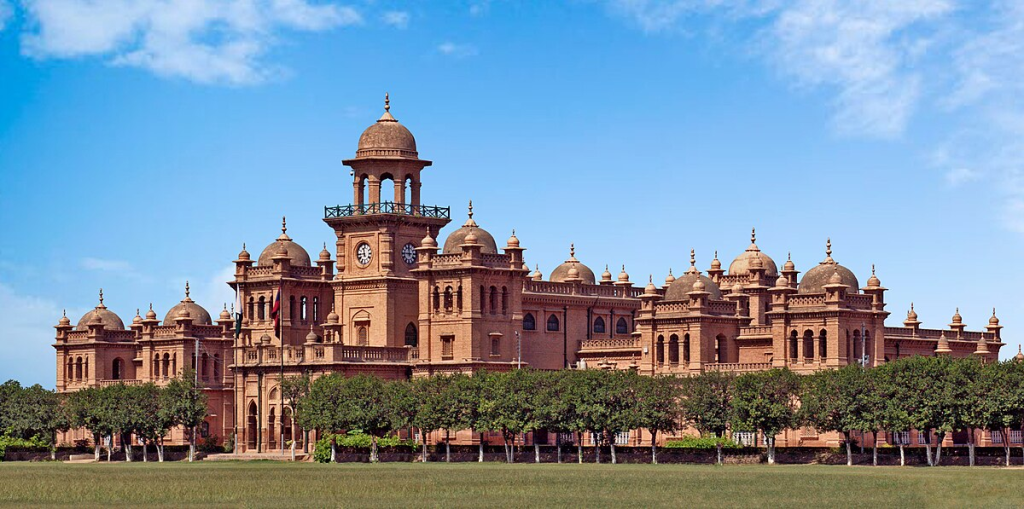
Peshawar, the capital of Khyber Pakhtunkhwa, has a population of about 2.03 million in 2025. It is a historic city with a rich cultural and political heritage, serving as a gateway to the northwestern regions.
Peshawar’s economy is driven by trade, agriculture, and small industries. The city has strong educational institutions and healthcare facilities. Its bazaars, historic forts, and mosques showcase its cultural richness, and traditional festivals and cuisine add to its charm.
City highlights:
- Population (2025): 2.03 million
- Economy: Trade, agriculture, and small industries
- Infrastructure: Roads, healthcare, and educational facilities
- Education: University of Peshawar and professional colleges
· Culture & Heritage: Historic forts, mosques, bazaars, and traditional festivals
Hyderabad
Hyderabad is a historic city with a population of approximately 1.97 million in 2025. Known for its rich cultural heritage, it was founded in the 18th century and has played a key role in Sindh’s history.
The city is famous for its traditional crafts, including glasswork and textiles, and hosts vibrant festivals. Its economy is driven by trade, agriculture, and small industries. Hyderabad combines historical charm with modern development, including schools, hospitals, and improved road networks.
City highlights:
- Population (2025): 1.97 million
- Economy: Trade, agriculture, and small industries
- Infrastructure: Improved roads, hospitals, and educational facilities
- Education: Home to universities like the University of Sindh, Mehran University campus
- Culture & Heritage: Rich traditions, historic landmarks, and vibrant festivals
Quetta
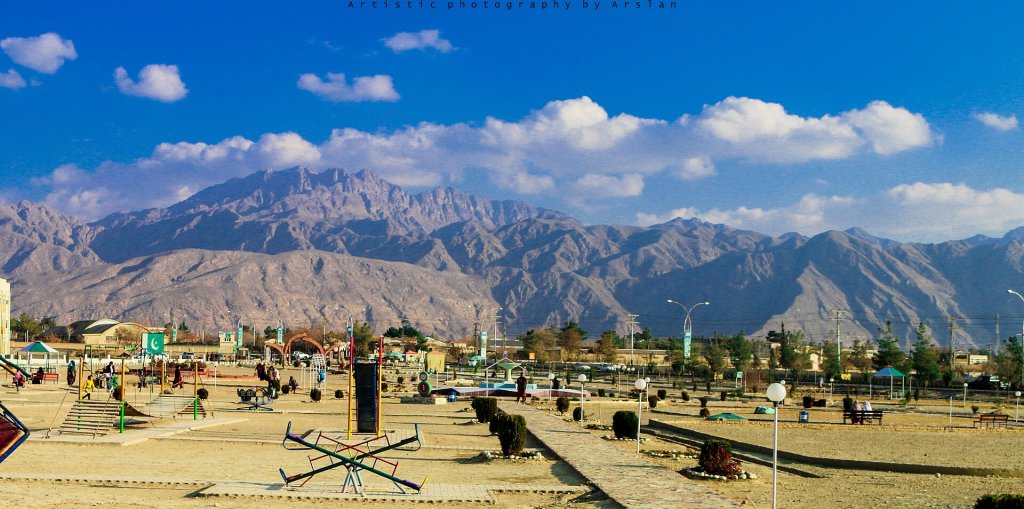
Quetta, the provincial capital of Balochistan, has a population of around 1.05 million in 2025. Nestled near the hills, it is known as the “Fruit Garden of Pakistan” for its apple and cherry orchards.
Quetta is a strategic city, contributing to trade and regional administration. The city has educational institutions, hospitals, and developing road networks.
Its population is ethnically diverse, including Pashtuns, Hazaras, and Balochis. Quetta’s rich culture is reflected in local festivals, traditional crafts, and unique cuisine.
City highlights:
- Population (2025): 1.05 million
- Economy: Agriculture, trade, and regional administration
- Infrastructure: Developing roads, schools, and hospitals
- Education: University of Balochistan and professional colleges
- Culture & Heritage: Ethnic diversity, local festivals, traditional crafts, and regional cuisine
Sialkot
Sialkot, located in Punjab, is a historic city with a population of approximately 0.92 million in 2025. It is renowned for its industrial and export-oriented economy, particularly in sports goods, surgical instruments, and leather products.
The city combines modern infrastructure with traditional markets and vibrant trade activity. Sialkot has well-developed educational institutions, healthcare facilities, and transport networks.
City highlights:
- Population (2025): 0.92 million
- Economy: Major industrial hub for sports goods, surgical instruments, and leather products
- Infrastructure: Well-developed roads, transport, and trade facilities
- Education: Home to universities, colleges, and vocational training institutes
- Culture & Heritage: Rich traditions, local festivals, and vibrant commercial activity
Conclusion:
Pakistan’s most populous cities are more than just urban centers. They are the lifeblood of the nation’s economy, culture, and education. From Karachi’s bustling ports to Lahore’s historic landmarks and Sialkot’s industrial hubs, each city contributes uniquely to the country’s growth.
These urban centers showcase Pakistan’s diversity, blending tradition with modern development. Understanding the dynamics of these cities provides insight into the nation’s social, economic, and cultural fabric, highlighting their essential role in shaping Pakistan’s identity and future.
Frequently Asked Questions:
Karachi is the most populated city in Pakistan, with over 17 million residents. It is the country’s economic and commercial hub.
Lahore is the second most populous city, with a population of around 13.97 million. It is known as Pakistan’s cultural heart.
Faisalabad is renowned for its textile industry and is often called the “Manchester of Pakistan.” It plays a key role in the country’s economy.
Multan is known as the “City of Saints” due to its historic shrines and rich cultural heritage. It is also an important trade and agricultural center.
Quetta is nicknamed the “Fruit Garden of Pakistan” because of its apple and cherry orchards. It is the provincial capital of Balochistan.
